- Region:
- World
- Category:
- Politics
US Awaits Iran’s Response to Ceasefire Proposal Amid Renewed Tensions in the Strait of Hormuz
-
![US Awaits Iran’s Response to Ceasefire Proposal Amid Renewed Tensions in the Strait of Hormuz.]()
US Awaits Iran’s Response to Ceasefire Proposal Amid Renewed Tensions in the Strait of Hormuz.
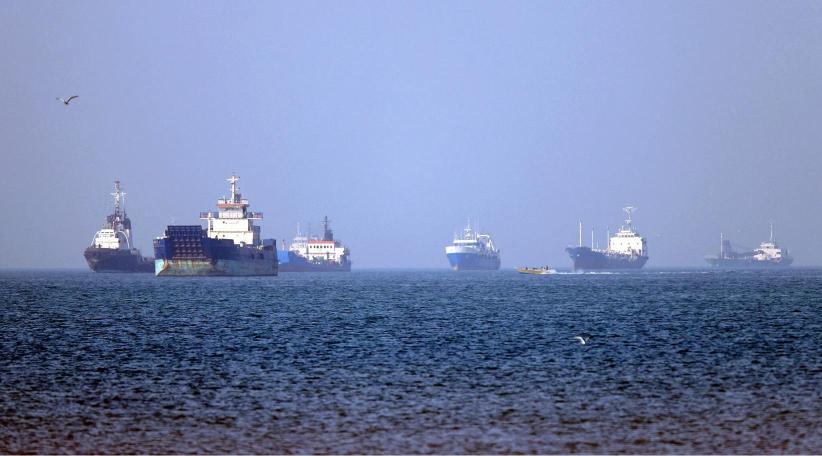
The United States is awaiting what officials describe as a “serious proposal” from Iran regarding efforts to end the ongoing conflict, as tensions continue to escalate in and around the Strait of Hormuz.
Speaking on Friday, Marco Rubio said Washington expects a response from Tehran later today concerning a proposal aimed at ending hostilities. Rubio expressed hope that Iran’s response would represent a meaningful step toward de-escalation.
The diplomatic developments come amid renewed military exchanges between the United States and Iran. According to U.S. military officials, American forces targeted Iranian military facilities allegedly linked to attacks against U.S. naval vessels operating in the Strait of Hormuz.
Meanwhile, the United States Central Command confirmed that U.S. forces also disabled two Iranian-flagged oil tankers identified as the M/T Sea Star III and M/T Sevda after they allegedly attempted to bypass the current American blockade near the Gulf of Oman.
Iranian media reported limited exchanges of fire in the area surrounding the strategic waterway, while Iranian authorities accused Washington of carrying out what Foreign Minister officials described as a “reckless military adventure.” Tehran also claimed that some civilian areas were affected during the strikes.
Despite the renewed violence, Donald Trump stated that the ceasefire between the two sides technically remains in effect. Rubio emphasized that the latest military operation was separate from what U.S. officials referred to as “Operation Epic Fury,” adding that the United States would continue to respond defensively to threats against its forces and interests.
The regional impact of the conflict continues to expand. Authorities in the United Arab Emirates reported that three people were injured in new attacks allegedly launched from Iran.
At the same time, tensions involving Hezbollah and Israel have also resurfaced. Hezbollah claimed responsibility for an attack on an Israeli military base, marking what appears to be the first publicly acknowledged cross-border strike since a fragile ceasefire between Israel and Lebanon was extended in late April.
According to U.S. Central Command, more than 70 vessels are currently unable to enter or leave Iranian ports due to the blockade, while over 50 ships have reportedly been redirected, increasing concerns about disruptions to global trade and energy markets.
Economic analysts warn that the growing instability is already impacting consumers worldwide, as higher transportation and energy costs linked to the conflict begin to affect household expenses and inflation levels across international markets.