- Region:
- World
- Category:
- Politics
Justin Trudeau Criticizes US Tourism Policy: “The United States Hasn’t Been Very Good at Making Travelers Feel Welcome”
-
![Justin Trudeau Criticizes US Tourism Policy: “The United States Hasn’t Been Very Good at Making Travelers Feel Welcome”.]()
Justin Trudeau Criticizes US Tourism Policy: “The United States Hasn’t Been Very Good at Making Travelers Feel Welcome”.
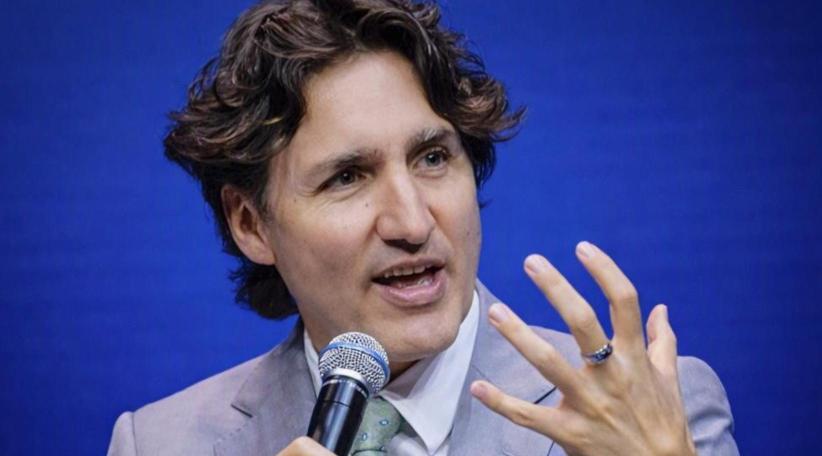
At the WTTC Global Summit in Malta, the former Canadian prime minister discussed how political tensions, public messaging and border policies can influence international travel decisions. A sharp decline in visits by Canadian residents to the United States highlights a challenge for one of the world’s leading tourism markets.
VALLETTA, Malta — A country’s tourism competitiveness depends on more than its natural attractions, infrastructure, hotels or prices. It is also shaped by the image it projects internationally and by travellers’ perceptions of how they will be received. That was a central theme in remarks by former Canadian prime minister Justin Trudeau during a conversation with Gloria Guevara, President and CEO of the World Travel & Tourism Council (WTTC), at its Global Summit in Malta.
Discussing the relationship between tourism and international politics, Trudeau warned that tensions between governments and public messaging can influence where people choose to travel. His reflections focused in particular on the United States, a traditionally important destination for Canadian travellers at a time when political relations between the two neighbours have faced significant strain.
The issue goes beyond conventional tourism promotion. International campaigns can showcase landscapes, experiences, cities and services, but travellers’ final decisions may also depend on whether a country appears welcoming, open and trustworthy.
Fewer Canadians are travelling to the United States
Statistics illustrate the scale of the shift in travel between the two countries. According to Statistics Canada, Canadian residents made approximately 23.1 million visits to the United States in 2025, compared with around 30.2 million in 2024. That represented a decline of 23.5%.
Over the same period, trips by Canadian residents to overseas destinations rose to approximately 14.3 million, an increase of 10.2% compared with 2024. The figures point to a substantial drop in visits to the US market alongside growth in travel to other international destinations.
The numbers alone do not establish a single cause for the decline. However, in his conversation with Guevara, Trudeau connected travel behaviour with the political climate and the importance of making visitors feel welcome. When perceptions of a country change, travel preferences can change as well.
For two closely connected markets such as Canada and the United States, these shifts can have consequences for airlines, hotels, restaurants, retailers, attractions and communities that rely on visitor spending.
Hospitality begins before travellers cross the border
Trudeau’s remarks highlighted an aspect that does not always receive enough attention in destination marketing strategies: the visitor experience begins before arrival. News coverage, political rhetoric, entry requirements and expectations about how travellers will be treated can all influence destination choices.
A country’s image is not shaped by its tourism organisations alone. It is also influenced by government decisions and the way political leaders communicate with the rest of the world. Border policies and the tone of public debate can therefore affect an industry that depends on predictability, mobility and trust.
In this environment, international competition for visitors requires more than attractive prices and compelling experiences. Destinations also need to deliver a welcoming environment consistent with the image they promote.
A warning for tourism destinations
The issue is particularly significant for the United States because of the size of its tourism market and the historical importance of Canadian visitors. But the broader lesson applies to destinations worldwide: potential travellers may reconsider a trip if they perceive an unfavourable climate or feel uncertain about how they will be received.
At the summit, Trudeau also defended tourism as a way to encourage curiosity, empathy and understanding between people from different cultures. In an increasingly polarised international environment, his message was that openness is not merely a diplomatic value; it can also influence economic activity.
For the travel industry, the conclusion is straightforward: attracting visitors is not just about convincing them that a destination is worth seeing. It is also about creating the conditions that make them want to go, feel welcome when they arrive and recommend the experience to others.