- Region:
- World
- Category:
- Politics
Trump, Xi and Putin Hold Historic Summit: Ukraine, Nuclear Weapons and Oil Dominate the Global Agenda
-
![Trump, Xi and Putin Hold Historic Summit: Ukraine, Nuclear Weapons and Oil Dominate the Global Agenda.]()
Trump, Xi and Putin Hold Historic Summit: Ukraine, Nuclear Weapons and Oil Dominate the Global Agenda.
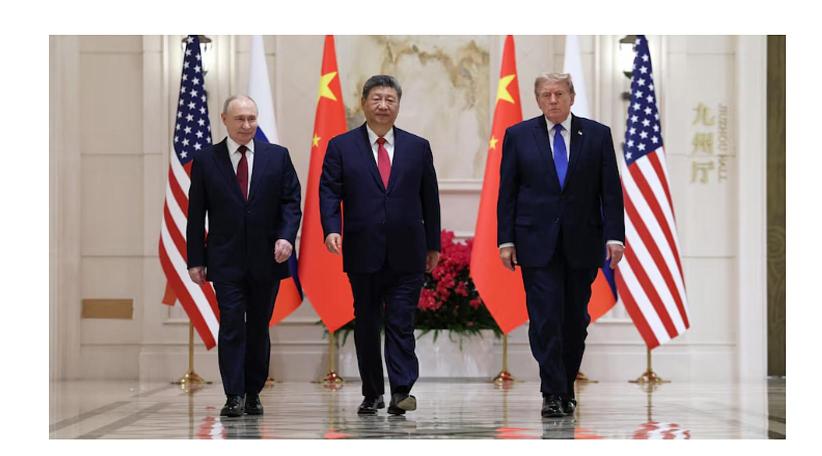
The first-ever trilateral meeting between the leaders of the United States, China and Russia focused on the war in Ukraine, nuclear disarmament and global energy security. China later reported commitments to expand refined fuel supplies and maintain dialogue on nuclear risks, although major strategic differences remain unresolved.
SHENZHEN, China, November 19, 2026. In an unprecedented diplomatic development, U.S. President Donald Trump, Chinese President Xi Jinping and Russian President Vladimir Putin held their first trilateral summit as leaders of the world's three major powers on Thursday. The meeting took place at Kylin Villa in Shenzhen, southern China, on the sidelines of the Asia-Pacific Economic Cooperation (APEC) summit. Bringing together the leaders of the world's three largest nuclear powers, the approximately 80-minute meeting focused on the war in Ukraine, nuclear arms control, international security and energy supplies. Trump described the gathering as historic, arguing that the three countries have a special responsibility to promote global peace and stability.
Nuclear security was among the most important issues on the agenda. Xi called for the complete elimination of nuclear weapons and warned of the danger they represent to humanity. Trump said the United States, Russia and China are uniquely positioned to discuss reducing their nuclear arsenals and lowering the risk of these weapons ever being used. However, he acknowledged that disarmament remains extremely difficult once countries have developed such military capabilities. Putin also emphasized the shared responsibility of the three powers in maintaining international peace and security. Following the meeting, China's state news agency Xinhua published a joint statement reporting that the three countries would pursue dialogue aimed at reducing nuclear risks and preventing nuclear proliferation.
The war in Ukraine was another major subject of discussion. Putin said the three countries share common interests in resolving regional conflicts and confirmed that Ukraine had been discussed in his earlier bilateral talks with Trump. The U.S. president, who held separate meetings with both Xi and Putin before the trilateral summit, expressed his willingness to work with China to help bring the conflict to an end. However, the absence of Ukrainian representatives from these discussions raises important questions about Kyiv's role in any potential negotiations concerning its own future. The summit did not resolve the fundamental differences between Washington, Moscow and Beijing over Ukraine, Iran, international trade and regional security.
Energy security also emerged as a significant priority. Trump and Xi highlighted their shared interest in keeping oil flowing through the Strait of Hormuz, a critical international shipping route whose disruption has raised concerns over global energy supplies amid tensions involving Iran. According to the subsequent statement released by Chinese state media, the three countries also plan to increase the production and supply of refined petroleum products for the benefit of countries worldwide, reaffirming the importance of stable energy flows. Beyond these announcements, the summit delivered a powerful political image: three leaders with competing interests, different alliances and contrasting visions of the international order agreeing on the importance of maintaining direct communication. Whether this unprecedented diplomatic encounter will lead to concrete agreements or remain primarily a demonstration of great-power influence is now one of the central questions facing the international community.