- Region:
- USA
- Category:
- Politics
Trump Acknowledges Iran War Played a Role in Republican Election Defeat
-
![Trump Acknowledges Iran War Played a Role in Republican Election Defeat.]()
Trump Acknowledges Iran War Played a Role in Republican Election Defeat.
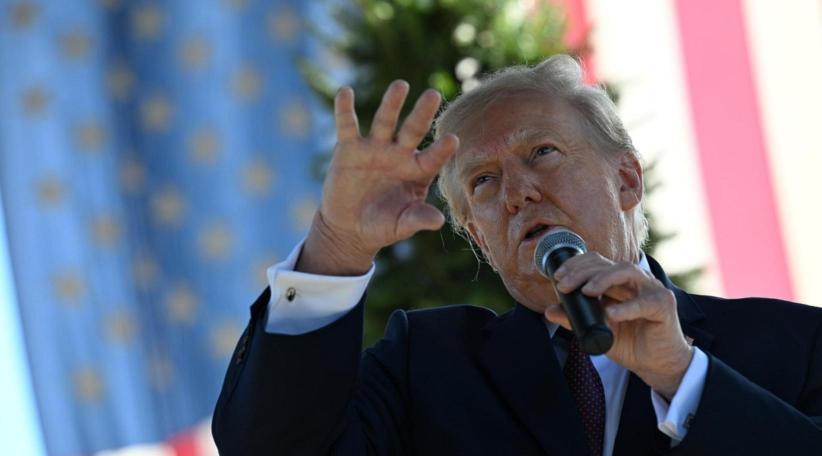
The US president agreed with JD Vance’s assessment of the conflict’s electoral impact and rising gasoline prices. However, he defended the military offensive, saying he would make the same decision again.
The Republican Party’s sweeping defeat in the US midterm elections has quickly triggered political consequences within the governing party. Losing control of both chambers of Congress has opened a debate over the causes of the result, Donald Trump’s political strategy and the party’s future leadership, amid public differences between the president and Vice President JD Vance.
The war with Iran has become one of the main points of contention. Vance was blunt in his assessment of the election: “The reason we lost is the war,” he wrote in a social media post. The vice president argued that many Americans who voted for Trump and Vance in 2024 ultimately supported Democratic candidates in the midterms. He also urged Republicans to acknowledge the political cost of the conflict and consider whether it was worth losing control of the Senate.
Trump responded publicly during an appearance at the White House. He said Vance’s assessment was “largely true” because the war had pushed gasoline prices higher in the short term. However, he defended the military campaign and said he would make the same decision again to prevent Iran from obtaining nuclear weapons. Asked whether he believed the conflict had been worth it, Trump answered yes. He also insisted that Republicans would have won if he had been on the ballot, arguing that the party had failed to transfer the enthusiasm at his campaign rallies to individual candidates.
The political fallout has also reached the party’s congressional leadership. House Speaker Mike Johnson announced that he would not seek a leadership position in the next Congress, setting off a contest to lead House Republicans. Steve Scalise and Jim Jordan are among those seeking the position. Johnson cited the personal and family sacrifices required by the job, although his announcement does not mean he has confirmed that he will leave Congress.
Meanwhile, Democrats are beginning to shape their strategy for the new Congress. House Democratic leader Hakeem Jeffries and Senate Democratic leader Chuck Schumer have said that lowering the cost of living and fighting government corruption will be central priorities. They have also pledged stronger congressional oversight of the Trump administration and investigations into its decisions and activities. Impeachment-related initiatives are also being discussed by some Democratic lawmakers.
Economic concerns remain central to understanding the election outcome. Preliminary figures from the ABC News Voter Poll show that 55% of surveyed voters considered government corruption crucial to their congressional vote, while 49% cited the cost of living and 34% pointed to the war with Iran. The figures suggest that the electoral backlash had several causes, with the foreign conflict adding to economic concerns and dissatisfaction with the administration.
With Democrats controlling both chambers, Trump will face the final two years of his presidency with an opposition-led Congress, stronger legislative oversight and a greater ability among Democrats to block his agenda. As the president continues to defend the war and Vance highlights its electoral consequences, Republicans face a debate that goes beyond a single election defeat: who should take responsibility and how the party can rebuild its political strategy.