- Region:
- World
- Category:
- Tourism
WTTC Warns of Middle East Conflict’s Negative Impact on Global Travel Industry
-
![WTTC Warns of Middle East Conflict’s Negative Impact on Global Travel Industry.]()
WTTC Warns of Middle East Conflict’s Negative Impact on Global Travel Industry.
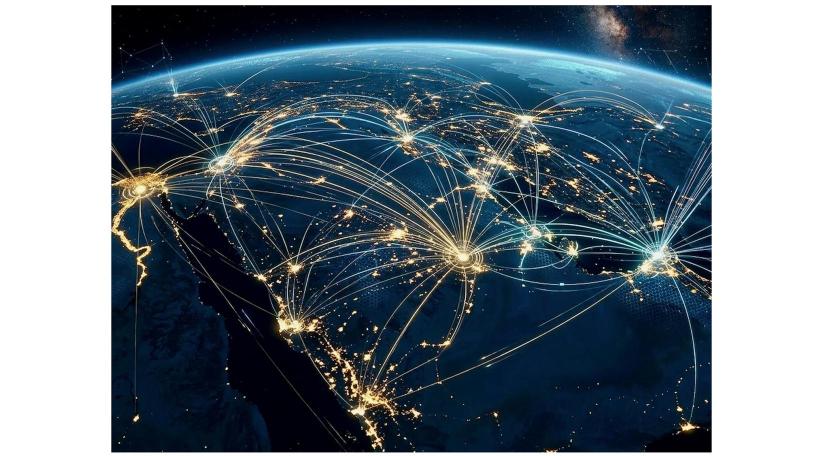
MADRID, Spain, March 30, 2026. The World Travel & Tourism Council (WTTC) has issued a warning on the negative impact of the ongoing Middle East conflict on global travel, highlighting severe disruptions to air connectivity, international visitor numbers, and rising fuel costs that are driving up airline ticket prices.
According to the WTTC, an estimated 135 million trips worldwide are at risk in 2026, including 116 million trips outside the Middle East, due to reduced flight capacity and airspace restrictions. Over 526,000 passengers daily are currently unable to travel, affecting key connections between Asia, Europe, and Africa.
Middle Eastern hubs such as Dubai, Abu Dhabi, Doha, and Bahrain, which together handle around 526,000 passengers per day, have experienced operational interruptions as the conflict escalates.
Aviation fuel prices have surged dramatically, with costs jumping from $95.95 to $197 per barrel in the past month, according to the International Air Transport Association (IATA), representing more than a 100% increase. Fuel accounts for roughly 30% of airline operating costs, placing tremendous pressure on profitability.
Travel advisories issued by countries also discourage travelers, as insurance coverage is often suspended in conflict zones, further restricting movement. Airlines face challenges in maintaining operations, particularly in low-cost segments where fuel costs have a higher impact.
Gloria Guevara, WTTC President & CEO, emphasized: “The travel and tourism sector is the most resilient globally. While international visitor spending across the Middle East averages $600 million daily, past crises show that the sector can recover rapidly when governments and industry collaborate to restore traveler confidence.”
The WTTC continues to monitor the situation closely, coordinating with governments and industry leaders to ensure traveler safety and sector resilience.