- Region:
- World
- Category:
- Politics
U.S. Sends 15-Point Ceasefire Proposal to Iran Amid Escalating Middle East War
-
![U.S. Sends 15-Point Ceasefire Proposal to Iran Amid Escalating Middle East War.]()
U.S. Sends 15-Point Ceasefire Proposal to Iran Amid Escalating Middle East War.
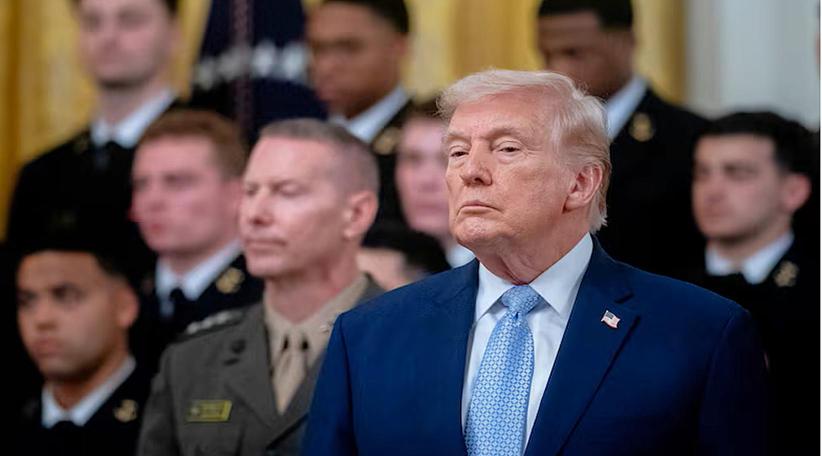
The United States has formally delivered a 15-point ceasefire proposal to Iran in a bid to halt the ongoing war in the Middle East, according to multiple international reports citing Pakistani officials acting as intermediaries.
The proposal—transmitted through diplomatic channels in Pakistan—represents the most structured attempt so far by the administration of Donald Trump to de-escalate a conflict that has already disrupted global energy markets and heightened geopolitical tensions.
Key elements of the proposal
While the full document has not been publicly released, officials familiar with the framework describe a comprehensive package combining security, nuclear, and economic components:
- Sanctions relief for Iran
- Civilian nuclear cooperation under international oversight
- Rollback of Iran’s nuclear program
- Monitoring by the International Atomic Energy Agency (IAEA)
- Restrictions on ballistic missile development
- Guarantees for maritime navigation through the Strait of Hormuz
Additional reports suggest the plan could include dismantling key nuclear facilities, ending uranium enrichment, and limiting Iran’s regional influence, particularly support for proxy groups.
Strategic importance: Strait of Hormuz
A central component of the proposal is reopening and securing the Strait of Hormuz, a critical global النفط chokepoint through which roughly 20% of the world’s oil supply transits.
Recent hostilities, including mining operations and attacks on shipping lanes, have severely disrupted maritime traffic and driven volatility in oil markets.
Diplomatic mediation and fragile progress
Pakistan has emerged as a key diplomatic broker, with officials indicating that direct talks between Washington and Tehran could take place soon, possibly on Pakistani soil.
However, progress remains fragile. Iranian authorities have publicly denied engaging in direct negotiations and expressed deep skepticism toward U.S. intentions.
The diplomatic push coincides with continued military escalation, as the United States signals readiness to deploy additional troops to the region, reinforcing a dual-track strategy of pressure and negotiation. Exchanges of missile strikes between Iran, Israel, and allied groups persist, highlighting both the urgency and complexity of achieving a ceasefire. The evolving military posture suggests Washington is preparing for multiple contingencies while keeping diplomatic channels open.
International responses reflect growing concern over the conflict’s broader impact. China and Egypt have expressed support for diplomatic efforts, while European leaders warn of significant economic fallout, particularly in energy markets. Oil prices have shown early volatility, briefly declining on expectations of a potential ceasefire but remaining highly sensitive to developments on the ground.
Despite cautious optimism from Washington, analysts emphasize that deep mistrust between the parties, competing strategic demands, and ongoing military operations could derail negotiations. Iran is reportedly seeking broader concessions—including security guarantees and potential reparations—adding further complexity to an already fragile diplomatic process.