- Region:
- America
- Category:
- Tourism
MarketHub Americas 2026: AI Is Becoming the New Source of Travel Inspiration, Says HBX Group's Xabi Zabala
-
![MarketHub Americas 2026: AI Is Becoming the New Source of Travel Inspiration, Says HBX Group's Xabi Zabala.]()
Xabi Zabala, Chief Sourcing and Commercial Services Officer at HBX Group. MarketHub Americas 2026: AI Is Becoming the New Source of Travel Inspiration, Says HBX Group's Xabi Zabala.
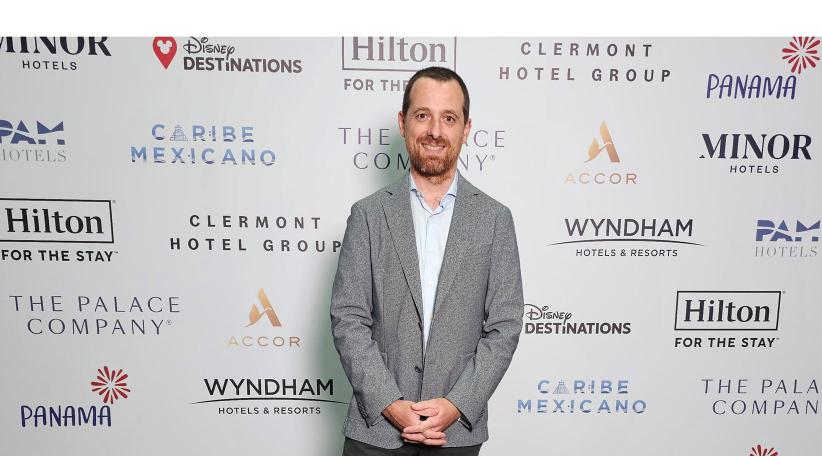
PUNTA CANA, Dominican Republic — Artificial intelligence is rapidly changing how travelers choose their next destination, forcing the travel industry to rethink its digital strategy. That was the message from Xabi Zabala, Chief Sourcing and Commercial Services Officer at HBX Group, during a press conference at MarketHub Americas 2026, attended by ABC Mundial.
Answering a question from Karina Giorgenello, CEO of ABC Mundial, Zabala said the travel industry has already entered a new era in which artificial intelligence and social media are reshaping how people discover and plan their trips.
"Over the next few years, we will see a complete reinvention of the travel inspiration and booking process," he said.
AI is transforming travel inspiration
According to Zabala, travelers are increasingly making decisions based on recommendations generated by artificial intelligence and content they consume on social media rather than relying solely on traditional search engines or word of mouth.
"More and more people will decide where to travel based on what they see on social media and, especially, on the recommendations provided by AI platforms."
While booking transactions still occur mainly through traditional channels, he believes the inspiration stage is rapidly moving toward AI-driven platforms.
"Bookings are still happening through traditional channels, but travel inspiration is shifting very quickly toward social media and artificial intelligence."
From SEO to AI Engine Optimization
One of the most significant changes for the industry, Zabala explained, is the transition from traditional Search Engine Optimization (SEO) to what he describes as AI Engine Optimization.
"Twenty years ago, companies focused on Search Engine Optimization. Now we need to think about AI Engine Optimization."
He emphasized that hotels, destinations, and travel companies must organize their data and digital content so artificial intelligence systems can easily understand, interpret, and recommend them.
"Having well-structured data and a clear taxonomy will determine whether your business appears in AI-generated travel recommendations."
Technology and human connections must coexist
Despite the rapid adoption of AI, Zabala stressed that technology should complement—not replace—the human side of travel.
HBX Group is investing heavily in artificial intelligence while maintaining close relationships with hotels, suppliers, travel partners, and customers.
"We are making a strong commitment to artificial intelligence while preserving the human factor and the close collaboration with our partners."
Luxury and experiences are leading growth
Zabala also highlighted two of the fastest-growing segments in global tourism.
Luxury hospitality, particularly upscale five-star hotels, continues to outperform other categories, while experience-driven travel is becoming one of the industry's strongest trends.
Sporting events, concerts, and entertainment are increasingly motivating travelers to book accommodations, transportation, and activities.
"The FIFA World Cup is a perfect example. Millions of trips are being generated around a single experience."
Preparing for the future of tourism
Zabala concluded that companies cannot afford to wait before embracing digital transformation.
For HBX Group, future success will depend on combining artificial intelligence, structured data, high-quality content, and authentic human relationships.
In the AI era, appearing in artificial intelligence recommendations may become just as important as ranking at the top of traditional search engines over the past two decades.