- Region:
- Asia
- Category:
- Politics
Japan: Sanae Takaichi Secures Historic Landslide and Two-Thirds Supermajority
-
![Japan: Sanae Takaichi Secures Historic Landslide and Two-Thirds Supermajority]()
Japan: Sanae Takaichi Secures Historic Landslide and Two-Thirds Supermajority
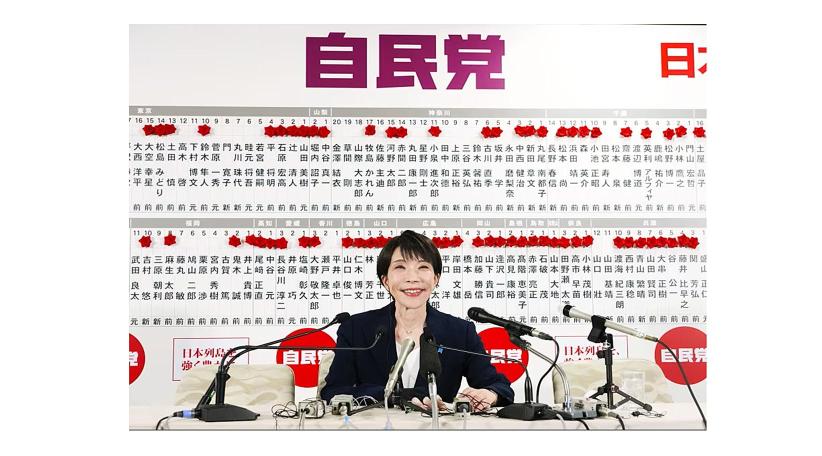
Tokyo, February 8, 2026. — Japanese Prime Minister Sanae Takaichi scored a sweeping victory in Sunday’s snap election, delivering her ruling bloc a historic two-thirds supermajority in the lower house of parliament and cementing her position as the country’s most powerful leader in decades.
Takaichi’s Liberal Democratic Party (LDP) won more than 310 of the 465 seats, while the broader governing coalition surpassed 340 seats overall. The result marks the first time since World War II that a single political bloc has secured such a dominant majority, giving the government the power to override the upper house and advance constitutional amendments.
Elected just over four months ago after the resignation of former Prime Minister Shigeru Ishiba, Takaichi made history as Japan’s first female leader in a political system long dominated by men. Since taking office, she has enjoyed unusually high approval ratings, fueled by her energetic leadership style, strong media presence and direct engagement with voters.
Speaking to public broadcaster NHK, Takaichi thanked voters who braved harsh winter conditions to cast their ballots and said the outcome represented a clear mandate for her agenda of “responsible and proactive” fiscal policy aimed at reshaping Japan’s economic strategy.
Financial markets reacted positively to the result. The Nikkei 225 index surged more than 5% during the session, driven by expectations of tax cuts and increased government spending under the new, strengthened administration.
On the international stage, US President Donald Trump congratulated Takaichi on her “landslide victory,” praising her decision to call a snap election and reaffirming the strength of the US-Japan alliance. Takaichi, in turn, said the potential of bilateral ties was “limitless.”
With a commanding majority now in parliament, Takaichi faces the dual challenge of pushing through ambitious economic and social reforms while navigating a tense regional environment, particularly relations with China and the sensitive issue of Taiwan.