- Región:
- World
- Categoría:
- Politics
US strikes Iran, Tehran hits Gulf states, says Strait of Hormuz closed
![US strikes Iran, Tehran hits Gulf states, says Strait of Hormuz closed.]()
US strikes Iran, Tehran hits Gulf states, says Strait of Hormuz closed.
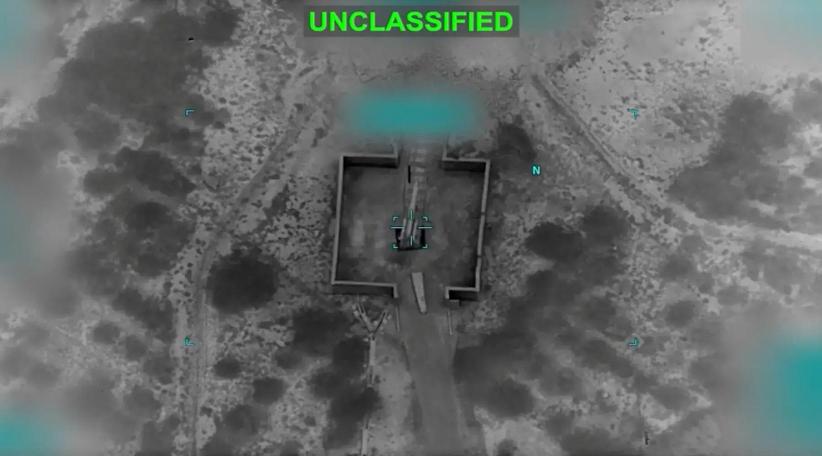
The United States and Iran exchanged intense missile and drone strikes over the weekend, with Tehran hitting American-linked sites across several Gulf states after Washington bombed more than 300 Iranian military targets in three nights of retaliation. The escalation pushed a fragile ceasefire to the brink of collapse and reignited fears over global oil supplies.
The fighting erupted after Iran's Revolutionary Guard Navy declared it had closed the Strait of Hormuz early Sunday, saying it fired a warning shot at a vessel attempting to cross an unauthorized route. Iranian officials said the closure would remain in effect until what they called U.S. interference in the region ends. U.S. Central Command pushed back forcefully, stating on social media that the waterway remains open to lawful traffic and that Iran does not control the strait, though it acknowledged the regional threat level remains "severe." The Navy's Joint Maritime Information Center said a southern route hugging Oman's coastline continues to allow two-way traffic, even as shipping volumes stayed thin and Qatar urged vessel owners to suspend sailing.
The latest round of hostilities followed attacks earlier in the week on commercial tankers, including the Qatari-owned Al Rekayat and the Saudi-flagged Wedyan, both damaged by projectiles in the strait. Washington responded by reimposing sanctions on Iranian oil exports and launching a fresh wave of strikes described by U.S. Central Command as an effort to weaken Iran's ability to threaten commercial shipping. In turn, Iran's Revolutionary Guard said it had struck a command center and drone facilities in Jordan, a U.S. radar installation in Kuwait, refueling infrastructure supporting the U.S. military in Oman, and a jet maintenance and command site in Qatar.
Qatar's government said three people, including a child, were hurt by shrapnel from intercepted missiles over Doha, while the United Arab Emirates said its air defenses engaged incoming fire and Bahrain sounded air raid sirens as explosions were heard nearby. Jordan's state news agency reported three missiles landed on its territory early Sunday, causing minor damage but no injuries. Oman also reported drone activity over its Musandam region. Separately, India's foreign ministry said one of its nationals remains missing after an attack on a commercial vessel off Oman's coast, with 10 of 11 crew members rescued.
The renewed violence has cast doubt over an interim agreement Trump signed with Iranian President Masoud Pezeshkian last month aimed at ending the broader conflict, which began in earnest after Trump announced major combat operations against Iran in late February. Iranian parliament speaker Mohammad Bagher Ghalibaf accused Washington of failing to honor the deal, warning on social media that the period of one-sided agreements was over. Diplomatic efforts have continued in parallel, with Iranian Foreign Minister Abbas Araghchi holding talks with his Omani and Pakistani counterparts over the weekend as Oman drafted a proposal to manage shipping traffic through the strait, a persistent flashpoint in the talks.
The standoff carries direct consequences for American consumers, as the Strait of Hormuz normally carries roughly a fifth of the world's oil and liquefied natural gas shipments. Prolonged disruption has already pushed energy prices higher, adding to inflation pressures at a politically sensitive moment for Trump ahead of November's congressional midterm elections.