- Region:
- USA
- Category:
- Tourism
Americans Shift to Domestic Travel as Global Uncertainty Reshapes Tourism Trends
-
![Americans Shift to Domestic Travel as Global Uncertainty Reshapes Tourism Trends.]()
Americans Shift to Domestic Travel as Global Uncertainty Reshapes Tourism Trends.
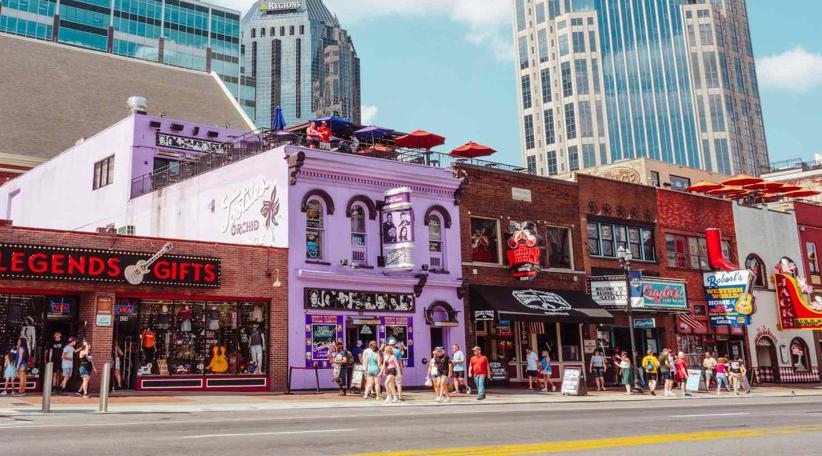
As geopolitical tensions and economic pressures continue to influence global mobility, American travelers are increasingly turning inward, favoring domestic destinations over international trips—a trend that is reshaping the U.S. travel landscape in 2026.
According to data from Internova Travel Group’s Global Travel Collection, domestic travel demand has surged significantly during the first quarter of the year, outpacing international bookings. The shift accelerated in early March, following the escalation of tensions linked to the Iran war 2026, with domestic bookings rising sharply in response to growing concerns around safety and travel costs.
Industry figures show that domestic hotel bookings increased by double digits year-over-year, while air travel within the United States also recorded steady gains. Summer projections are even more robust, with bookings already trending well above 2025 levels—an indicator of sustained demand for closer-to-home experiences.
Destinations such as Las Vegas have emerged as major beneficiaries of this trend, posting remarkable growth in both bookings and overall sales. Other cities, including Nashville, San Diego, and West Palm Beach, are also experiencing strong momentum, driven by travelers seeking accessible, high-value destinations within the U.S.
Consumer sentiment data further reinforces this shift. Research from YouGov indicates that safety concerns are playing an increasingly important role in travel decision-making. Even among Americans planning international trips, many are reconsidering their destination choices, with declining interest in regions perceived as unstable and growing demand for domestic hotspots like California and New York.
Travel advisors are already adapting their strategies. Agencies are promoting curated domestic experiences, from cultural tours to nature-driven itineraries, catering to travelers looking for convenience, affordability, and peace of mind. This repositioning reflects a broader industry pivot toward regional tourism as a reliable growth driver.
At the same time, pricing dynamics are becoming increasingly complex. While demand for U.S. travel remains strong, rising operational costs—ranging from fuel to hospitality expenses—are intersecting with heightened price sensitivity among consumers. As a result, travelers are shortening trip durations and booking closer to departure dates, seeking greater value without sacrificing the experience.
Despite these challenges, the domestic travel boom presents a significant opportunity for the U.S. tourism sector. With travelers continuing to spend—albeit more cautiously—the industry is demonstrating resilience, adapting to a new reality shaped by global uncertainty and evolving consumer behavior.