- Region:
- World
- Category:
- Society
Russia to start mass vaccine trials
-
![Russia to start mass vaccine trials]()
WHO in talks with Russia over Covid-19 vaccine Russia to start mass vaccine trials
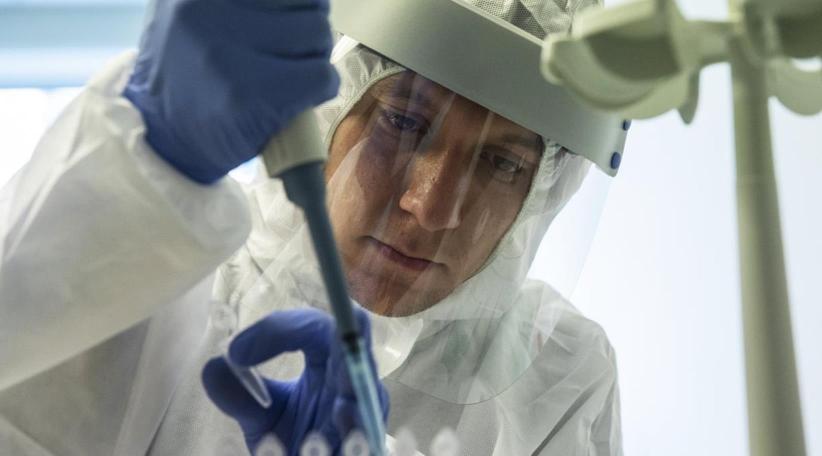
WHO in talks with Russia over Covid-19 vaccine
The World Health Organization is in discussions with Russia to obtain more information about its experimental Covid-19 vaccine – named Sputnik V - even as Russia plans to give it to some 40,000 people next week for further testing.
Last week, Russia became the first country in the world to license a coronavirus vaccine when the president, Vladimir Putin, announced its approval ahead of conventional phase 3 testing.
At the time of the announcement the vaccine had not passed the advanced trials normally required to prove it works before being licensed, a major breach of scientific protocol. Russian officials claimed the vaccine would provide lasting immunity to Covid-19 but offered no proof.
But it emerged on Thursday that some large-scale testing will now apparently go ahead as the vaccine is rolled out, with Sputnik V’s financial backers saying that about 40,000 people would be given the vaccine starting next week in tests overseen by a foreign research body.
Catherine Smallwood, a senior emergency official at WHO/Europe, said the agency had begun direct discussions with Russia and that WHO officials have been sharing the various steps and information required for the WHO to take assessments.
Hans Kluge, director of WHO/Europe, said the agency welcomed all advances in vaccine development but that every vaccine must submit to the same clinical trials.
“We’re not going through a rushed job of trying to jump to conclusions here,” Smallwood said. “We want to take our time to really understand where the vaccine is at and to get as full information as possible on the steps that have already been taken.”
The disclosure came as Kluge said the global health body believed that Europe can combat Covid-19 without full lockdowns now that authorities are better prepared and have gained knowledge about how to fight it in recent months.
“With the basic nationwide and additional targeted measures, we are in a much better position to stamp out these localised virus flare-ups,” Kluge told reporters. “We can manage the virus and keep the economy running and an education system in operation,” he added.