- Region:
- USA
- Category:
- Tourism
U.S. Travel Spending Hits 12-Month High as Rising Prices Begin to Pressure Demand
![U.S. Travel Spending Hits 12-Month High as Rising Prices Begin to Pressure Demand.]()
Las Vegas. U.S. Travel Spending Hits 12-Month High as Rising Prices Begin to Pressure Demand.
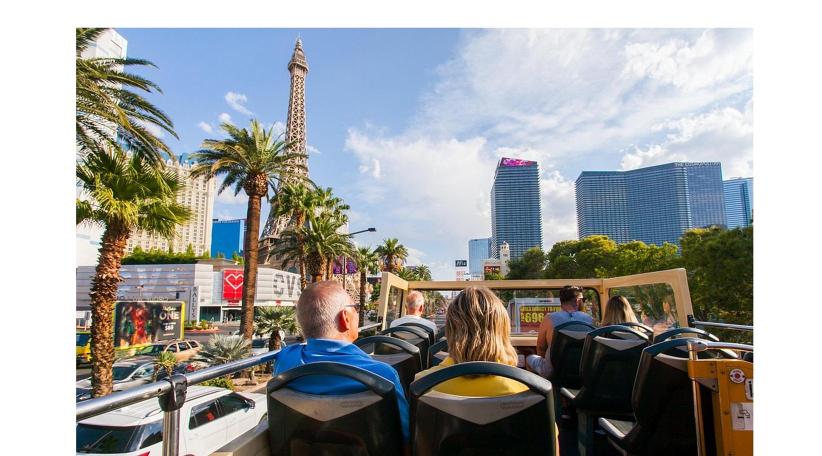
The U.S. travel industry posted its strongest spending growth in a year during March 2026, with total travel expenditures reaching $113 billion, up 5.0% year over year, according to the latest U.S. Travel Insights Dashboard.
However, behind the headline growth, industry indicators suggest mounting pressure on consumer demand as rising travel costs begin to weigh on traveler sentiment and booking behavior.
The latest data shows that inflation—not necessarily stronger travel volume—is driving much of the revenue increase. The Travel Price Index (TPI) surged 5.8% in March, significantly above the broader Consumer Price Index increase of 3.3%, highlighting how transportation and fuel-related costs are reshaping the travel landscape.
Energy market disruptions linked to recent geopolitical tensions in the Middle East pushed several travel-related categories sharply higher:
- Gas prices jumped 19.2%
- Transportation costs increased 17.3%
- Airline fares rose 14.9%
For the travel industry, the trend presents a mixed outlook. While travelers continue booking trips, volume growth is beginning to soften across multiple sectors.
Air passenger growth slowed to 1.7% in March, down from 2.7% in February. Hotel demand also eased slightly, growing 2.6% compared to 2.9% the previous month. Overseas arrivals to the United States increased 3.6%, though inbound international travel remains approximately 15% below 2019 levels year-to-date.
Short-term rental demand also showed more moderate expansion at 2.2%.
At the same time, consumer confidence indicators are flashing warning signs for the travel sector.
The University of Michigan Consumer Sentiment Index dropped to 47.6 in March, approaching historic lows. Meanwhile, only 34% of consumers said it is currently a good time to spend on leisure travel, while 27.2% described it as a bad time to travel due to economic conditions.
Longwoods International’s travel sentiment survey, which tracks travelers planning trips within the next six months, fell to 89%, marking only the second time in three years that the indicator has dropped below 90%.
For airlines, destinations, hotels, cruise companies, and tourism boards, the data points to a potentially more cautious consumer environment heading into the second half of 2026.
Industry analysts note that travelers have so far continued prioritizing vacations and experiences despite inflationary pressures, but the full demand impact from rising transportation and energy costs may not yet be fully reflected in booking patterns.
The coming months will likely determine whether the travel sector can maintain revenue growth as consumer price sensitivity intensifies across both domestic and international markets.