- Region:
- World
- Category:
- Politics
Iran Fires on Tanker as Strait of Hormuz Closure Escalates Tensions with the U.S.
-
![Iran Fires on Tanker as Strait of Hormuz Closure Escalates Tensions with the U.S..]()
Iran Fires on Tanker as Strait of Hormuz Closure Escalates Tensions with the U.S..
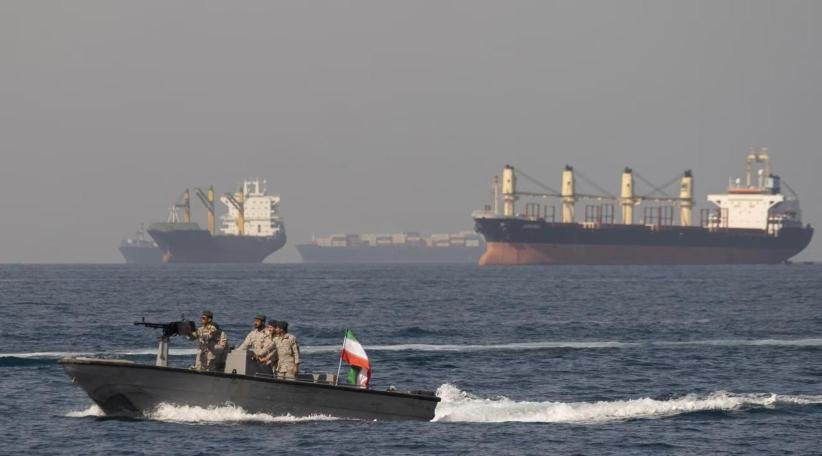
Tensions in the Middle East have intensified sharply after Iranian gunboats opened fire on a commercial tanker in the Strait of Hormuz, following Tehran’s decision to reimpose restrictions on one of the world’s most critical maritime chokepoints.
According to maritime security sources, vessels operated by the Islamic Revolutionary Guard Corps (IRGC) engaged a tanker transiting the strait, forcing nearby ships to reverse course amid growing fears of a wider disruption to global shipping routes.
Iran’s military command confirmed that the Strait of Hormuz has been closed again, citing what it described as “repeated breaches of trust” by the United States. Tehran warned it would maintain the blockade as long as U.S. restrictions on Iranian ports remain in place, escalating a standoff that threatens global energy supplies.
The Strait of Hormuz, through which roughly one-fifth of the world’s oil supply passes, is a strategic artery for international trade. Any prolonged disruption is expected to have immediate repercussions on oil prices and global markets.
Meanwhile, diplomatic efforts appear uncertain. Iranian sources indicated that a new round of negotiations between U.S. and Iranian officials could take place Monday in an attempt to de-escalate the conflict. However, Washington has not confirmed the talks. U.S. President Donald Trump signaled that a ceasefire extension is not guaranteed if negotiations fail.
The broader regional context adds further complexity. In Lebanon, Israel is reportedly implementing new security restrictions preventing residents from returning to dozens of villages, even as a fragile ceasefire takes hold. The situation mirrors measures previously enforced in Gaza, underscoring the volatile security environment across multiple fronts.
As the situation evolves, shipping operators and global markets remain on high alert, with the Strait of Hormuz once again at the center of geopolitical risk.