- Region:
- Caribbean
- Category:
- Tourism
Santo Domingo: Colonial History, Local Flavors and the Caribbean Charm of a Vibrant Capital
-
![Santo Domingo: Colonial History, Local Flavors and the Caribbean Charm of a Vibrant Capital.]()
Santo Domingo: Colonial History, Local Flavors and the Caribbean Charm of a Vibrant Capital.
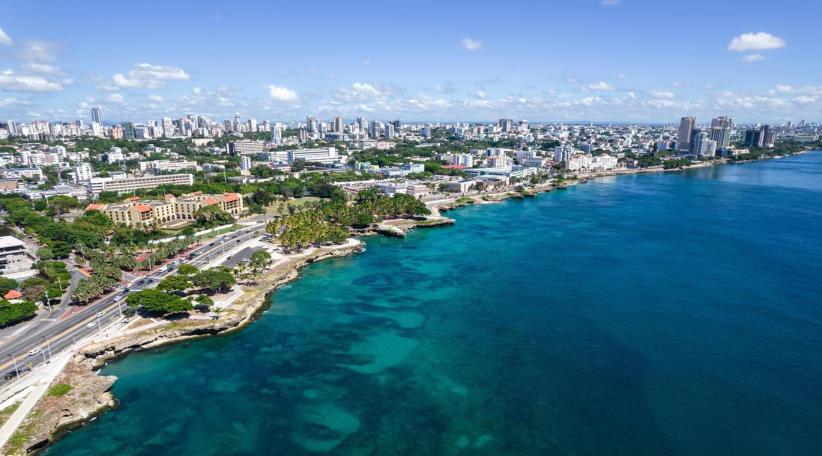
The capital of the Dominican Republic invites travelers to discover a destination where centuries-old streets meet boutique hotels, inviting restaurants, lively terraces and a dynamic urban scene. Just minutes away, the beaches of Boca Chica and Juan Dolio complete an experience that blends culture, gastronomy and the sea.
Santo Domingo offers a different way to experience the Caribbean. The day might begin with a cup of Dominican coffee, continue with a walk through historic streets, include a lunch featuring traditional local dishes and end with sunset views over the sea from the Malecón. In the capital of the Dominican Republic, heritage, gastronomy and contemporary life come together in a destination that reveals the island's distinctive character.
The city's greatest treasure is its Colonial City, a UNESCO World Heritage Site where historic buildings, picturesque squares, restaurants, art galleries and cafés coexist in an atmosphere shaped by the early chapters of American history. Founded in 1498 by Bartholomew Columbus, Santo Domingo preserves some of the most significant monuments of the Dominican Republic's cultural heritage.
A Journey Through the Early History of the Americas
Exploring the Colonial City means walking through centuries of history. The Catedral Primada de América, whose construction began in the 16th century, is one of its most important architectural landmarks. Just steps away, Columbus Park offers a pleasant place to pause before continuing along Calle de las Damas, one of the area's most celebrated historic streets.
Another must-see is the Alcázar de Colón, the former residence of Diego Columbus, son of Christopher Columbus, located opposite Plaza de España. Its architecture and collections offer a glimpse into life during the colonial period.
The Ozama Fortress is another highlight. Built in the early 16th century, it is one of the oldest European military structures in the Americas. Its imposing Tower of Homage remains a defining feature of the historic district.
To discover the island's earlier roots, Casa del Cordón and its Taíno Cultural Center offer insights into the culture of the island's first inhabitants through archaeological artifacts and cultural exhibits.
The experience extends well beyond the monuments. Behind historic façades, visitors will find boutiques, art spaces, restaurants and terraces, making it easy to combine cultural exploration with leisurely breaks and local discoveries.
Flavors That Tell the Story of the Dominican Republic
Gastronomy is another highlight of Santo Domingo. Dominican cuisine brings together Indigenous, African and European influences, blending traditional recipes with contemporary culinary interpretations.
Local specialties include mangú, made with mashed green plantains; tostones, twice-fried plantain slices; sancocho, a hearty stew of meats and vegetables; and la bandera dominicana, a traditional combination of rice, beans and meat.
Dominican coffee accompanies breakfast and after-meal conversations, while fresh tropical fruit juices offer a refreshing option throughout the day. Dominican rum also holds a prominent place in the local food and drink scene, whether enjoyed in tastings or incorporated into cocktails served at bars and terraces.
The city offers a setting for every occasion: an outdoor lunch, dinner surrounded by historic architecture or a drink at sunset, when the streets take on a particularly inviting atmosphere.
Characterful Hotels and Caribbean Views
Santo Domingo's accommodation options reflect the diversity of the destination. In the Colonial City, boutique hotels housed in historic mansions offer stays close to monuments, squares and restaurants, where architectural details add character to the experience.
Elsewhere in the capital, contemporary hotels combine comfort, amenities and dining options, appealing to travelers seeking an urban stay with access to entertainment and modern services.
The Malecón offers a different perspective on the city. This extensive waterfront promenade connects urban life with the Caribbean Sea and is a favorite place to walk, enjoy the sea breeze and admire the changing colors of the sunset. The coastal landscape provides a beautiful contrast to the historic streets inland.
From the City to the Beach in Minutes
One of Santo Domingo's greatest advantages is the opportunity to add a beach escape without giving up the cultural and urban experience.
Approximately 25 minutes from the capital, Boca Chica features light-colored sand and generally calm, shallow waters protected by a coral reef. Its beachfront restaurants and lively atmosphere make it an appealing option for a day by the sea.
Juan Dolio, around 45 minutes from Santo Domingo, offers a more expansive coastal setting, with beaches, bars, restaurants and accommodation options for travelers who wish to extend their stay by the water.
This proximity makes it easy to create a flexible itinerary: spend the first days exploring history, gastronomy and culture in the capital, then set aside additional time to enjoy the Dominican coast.
Santo Domingo proves that the Caribbean offers far more than beautiful beaches. It is a city where the past remains alive in its streets, the cuisine reflects the identity of its people and the sea is part of everyday life. Combining culture, hospitality and coastal scenery, the Dominican capital invites travelers to discover the country from a perspective that is both authentic and diverse.