- Region:
- USA
- Category:
- Tourism
Canadian Travel to the United States Rebounds Slightly, but Visits Remain 29% Below 2024 Levels
-
![Canadian Travel to the United States Rebounds Slightly, but Visits Remain 29% Below 2024 Levels.]()
Canadian Travel to the United States Rebounds Slightly, but Visits Remain 29% Below 2024 Levels.
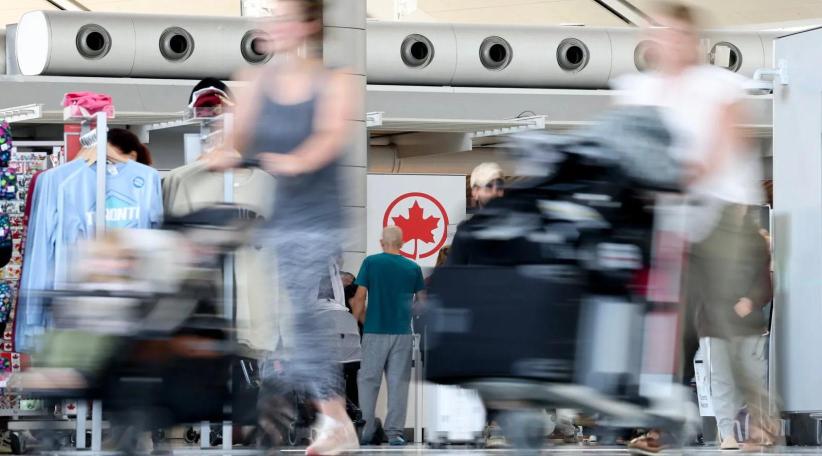
Canadian travel to the United States increased for the sixth consecutive month in September 2026. However, the recovery remains limited, as geopolitical tensions and changing travel preferences continue to weigh on cross-border tourism.
Canadian travel to the United States showed further signs of recovery in September, but visitor numbers remain substantially below pre-2025 levels. According to data released by Statistics Canada, return trips by Canadian residents from the United States increased 6.8% year over year, marking the sixth consecutive month of growth.
The improvement was reflected in both land and air travel. Return trips by car rose 5.6% compared with September 2025, while air travel increased 11.6%. Nevertheless, the figures remain far below those recorded two years earlier, highlighting the challenges facing the U.S. tourism industry as it seeks to restore demand from one of its most important international markets.
Compared with September 2024, Canadian return trips from the United States were down 31.1% by car and 18.7% by air. Overall, Canadian visits remained approximately 29% below 2024 levels, according to figures cited by Forbes.
A persistent shift in Canadian travel preferences
The decline follows a period of heightened political and economic tensions between the United States and Canada. After President Donald Trump returned to office in January 2025 and repeatedly raised the prospect of Canada becoming the 51st U.S. state, calls to boycott travel south of the border gained momentum among Canadian consumers.
A survey by Leger found that 60% of Canadians were less inclined to travel to the United States. At the same time, travel agency FlightHub reported a 15% increase in search demand, suggesting that interest in U.S. destinations may be recovering even as actual travel remains subdued.
The gap between travel searches and completed trips highlights the difficulty of translating renewed interest into bookings. Price considerations, consumer sentiment and broader political developments may continue to influence travel decisions.
Billions of dollars at stake for U.S. tourism
The decline in Canadian visitation has significant economic implications. According to the U.S. Travel Association, the reduction in Canadian tourism cost the U.S. economy an estimated USD 4.5 billion in 2025.
Canadians have historically represented the largest group of international visitors to the United States, accounting for roughly one-quarter of inbound foreign visitors. In 2024, Canadian travelers spent approximately USD 20.5 billion in the country.
The impact has been felt across destinations, including New York, Florida and Las Vegas, which have traditionally relied on Canadian visitors for shopping, entertainment, leisure and seasonal travel.
Meanwhile, travel in the opposite direction is showing stronger growth: visits by U.S. residents to Canada increased in September compared with a year earlier, with return trips by car rising 20% and air travel increasing 12%.
Although September's figures offer some encouragement for the U.S. tourism sector, the substantial gap with 2024 underscores the challenge ahead. Recovering Canadian demand will likely depend not only on travel prices and destination marketing, but also on rebuilding consumer confidence in cross-border travel.