- Region:
- Europe
- Category:
- Politics
Keir Starmer Resigns as UK Prime Minister, Opening the Door for Andy Burnham’s Rise
![Keir Starmer Resigns as UK Prime Minister, Opening the Door for Andy Burnham’s Rise.]()
Keir Starmer Resigns as UK Prime Minister, Opening the Door for Andy Burnham’s Rise.
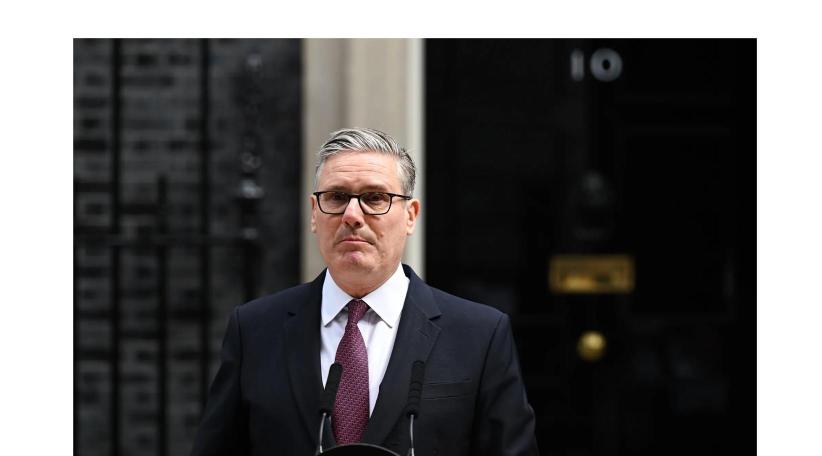
London, June 22, 2026 — British Prime Minister Keir Starmer announced his resignation on Monday after months of mounting pressure from within the governing Labour Party, triggering a leadership race that could quickly elevate Andy Burnham to 10 Downing Street.
In an emotional statement outside Downing Street, Starmer acknowledged that many Labour lawmakers no longer believed he was the right person to lead the party into the next general election.
“The question my party is asking now is whether I am best placed to lead us into the next general election. I have heard the answer of my parliamentary party to that question, and I accept that answer with good grace,” Starmer said.
The resignation comes less than two years after Starmer led Labour to a historic landslide victory in the 2024 general election, ending more than a decade of Conservative rule. However, his government struggled to maintain public support amid economic challenges, controversial policy reversals, declining approval ratings, and growing dissatisfaction among Labour MPs.
Burnham Emerges as Clear Favorite
The leading contender to replace Starmer is Andy Burnham, who recently returned to Westminster after winning the Makerfield by-election. Burnham’s victory revitalized speculation about a leadership challenge and accelerated discussions about Labour’s future direction.
Adding momentum to Burnham’s candidacy, former Health Secretary Wes Streeting announced that he would not challenge for the leadership and instead endorsed Burnham, significantly strengthening the latter’s position.
According to Labour’s proposed timetable, nominations for the leadership contest will open on July 9, with the party aiming to have a new leader in place before Parliament returns in September. If Burnham faces no serious challenger, he could become prime minister within weeks.
A Rapid Political Downfall
Starmer’s resignation marks one of the most dramatic reversals in recent British political history. After being credited with rebuilding Labour following years of internal turmoil, he increasingly faced criticism for lacking a clear ideological vision and for a series of controversial decisions, including welfare reforms, spending disputes, and high-profile appointments that angered members of his own party.
Several cabinet resignations in recent months further weakened his authority. Political analysts also point to Labour’s disappointing local election results and the growing influence of Nigel Farage and his Reform UK movement as factors that intensified concerns about Labour’s electoral prospects.
International Implications
Despite domestic political troubles, Starmer received praise from European allies for his support of Ukraine and his efforts to strengthen cooperation with European partners during a period of heightened international instability. European Commission President Ursula von der Leyen thanked Starmer on Monday, stating that European and Ukrainian security had become stronger under his leadership.
The leadership transition comes at a delicate moment for the United Kingdom, as the next prime minister will face significant economic challenges, defense spending debates, immigration pressures, and a rapidly changing international environment.
For now, Starmer will remain caretaker prime minister until Labour selects his successor, bringing an end to a turbulent chapter in British politics and opening a new era of uncertainty for the country's governing party.